Safety Technology
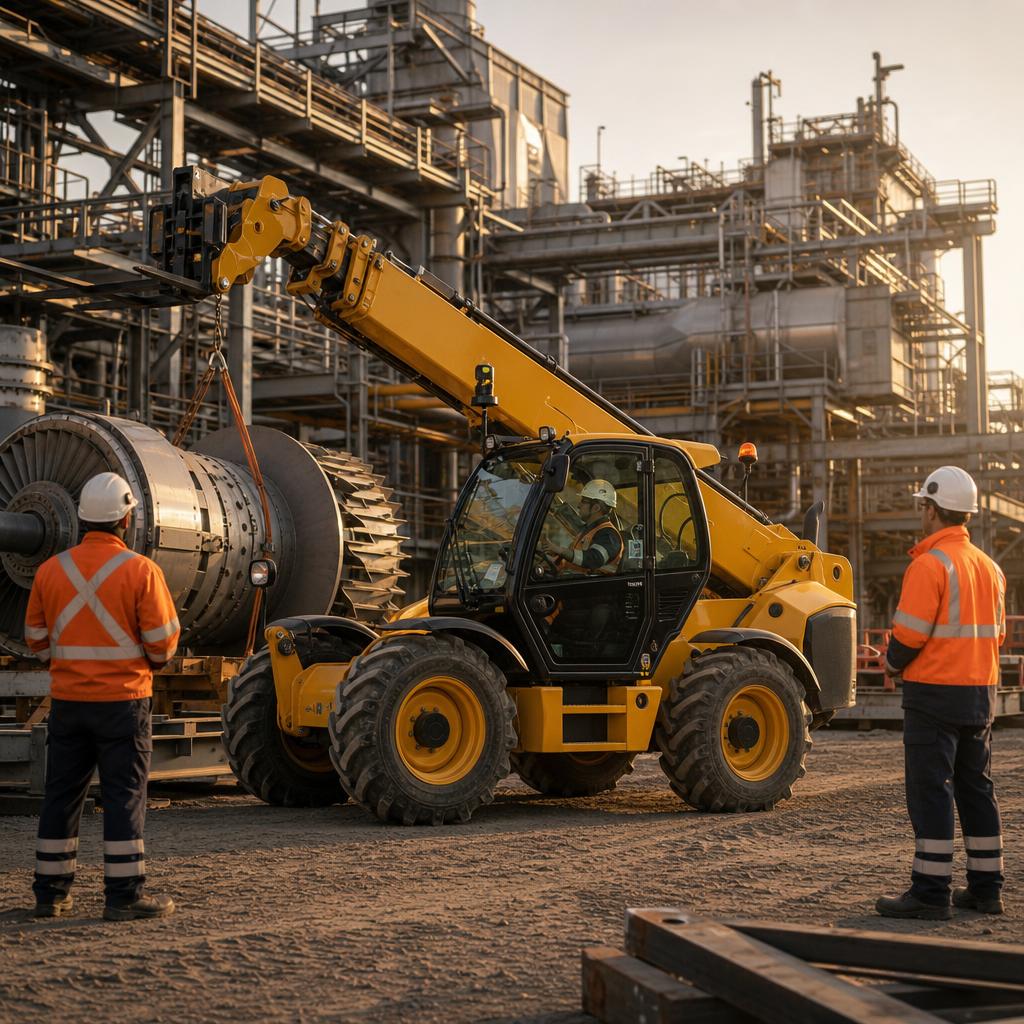
We install AI powered camera and detection systems on telehandlers and heavy equipment to help operators see people and hazards in blind spots.
Overview
Heavy equipment creates blind spots that mirrors and experience cannot fully remove. Our camera and detection systems give operators a clearer view of the people and activity around the machine.
System planning considers the equipment, camera coverage, operator view and the way people move through the jobsite. The purpose is to create useful awareness in active work areas without adding a system that crews cannot practically use.
The technology is deployed across the 4C fleet and can be fitted to client equipment. Using the same approach on owned and customer assets supports a more consistent safety standard across the site.
Core Capabilities
- AI camera systems
- Detection systems
- Blind spot coverage
- Telehandler fitment
- Heavy equipment fitment
- Fleet deployment
- Jobsite deployment
Where It Fits.
Safety Technology is designed to work as a focused service or as part of a broader 4C scope. The work stays connected to the same field team, operating standard and point of contact.
Blind spot awareness
Camera and detection coverage gives operators more information around the areas that equipment geometry makes difficult to see.
Active jobsites
The systems support crews working around telehandlers and heavy equipment where people and machines share tight spaces.
Fleet consistency
The same safety technology can be deployed across client equipment and the 4C fleet for a more consistent operating standard.
Awareness beyondthe cab.
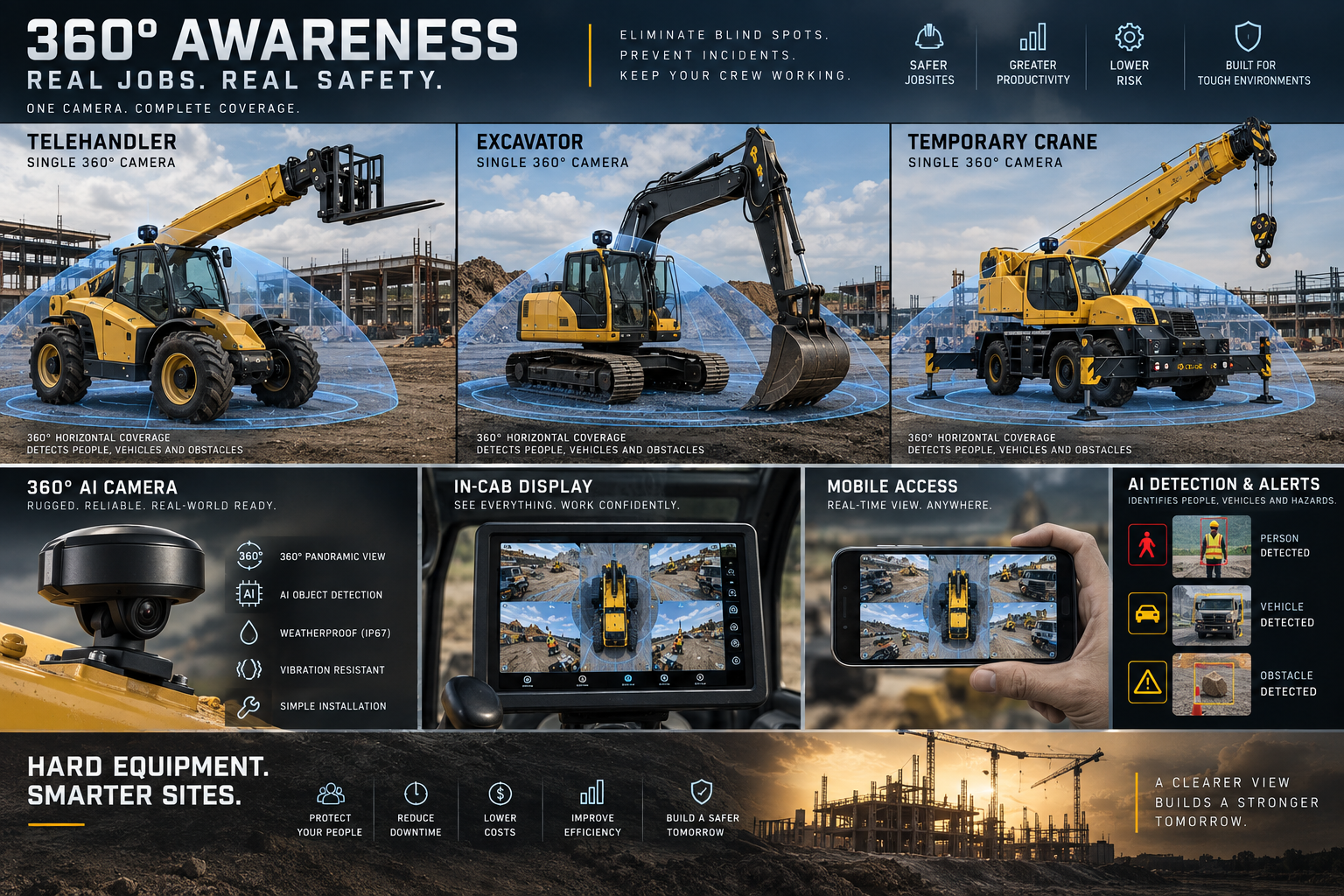
Camera coverage, in cab visibility, mobile access and active alerts work together to help operators identify people and hazards in the spaces equipment makes difficult to see.
Every division.
Four divisions.
One team in the field.
Crews, equipment, monitoring and safety technology move under one operating standard. They are aligned before the work starts and accountable through closeout.
One relationship carries the whole scope.
From Call to Closeout.
The work starts with the actual field requirement, not a catalog. Scope, timing and division support are aligned before crews or equipment mobilize.
One call
Tell us the scope. One conversation covers every division it touches, so nothing gets handed off to a number you have to look up.
Straight answers
Cost, timeline and compliance get confirmed before work starts, before the invoice and not after.
Staged and mobilized
Crews and equipment come from the footprint, not from a single yard, which is what keeps mobilization measured in hours.
One standard
The same standard of execution applies whichever division is on site, and whichever basin the work is in.
Other divisions.
Bring another division into the same scope without starting over with a separate vendor, handoff or operating standard.
Put the whole jobin one conversation.
Tell us what is happening, where the work is, and when it needs to move. We will bring the right 4C divisions, crews and equipment into the plan before the schedule gets tight.